ServicesFHA Loans
FHA Home Loans in Bartlett
With an FHA loan, you can buy with less money down and looser credit standards than most conventional home loans allow. We go over the mortgage insurance and appraisal rules at the start, so the loan you close on is one you can comfortably keep up with.
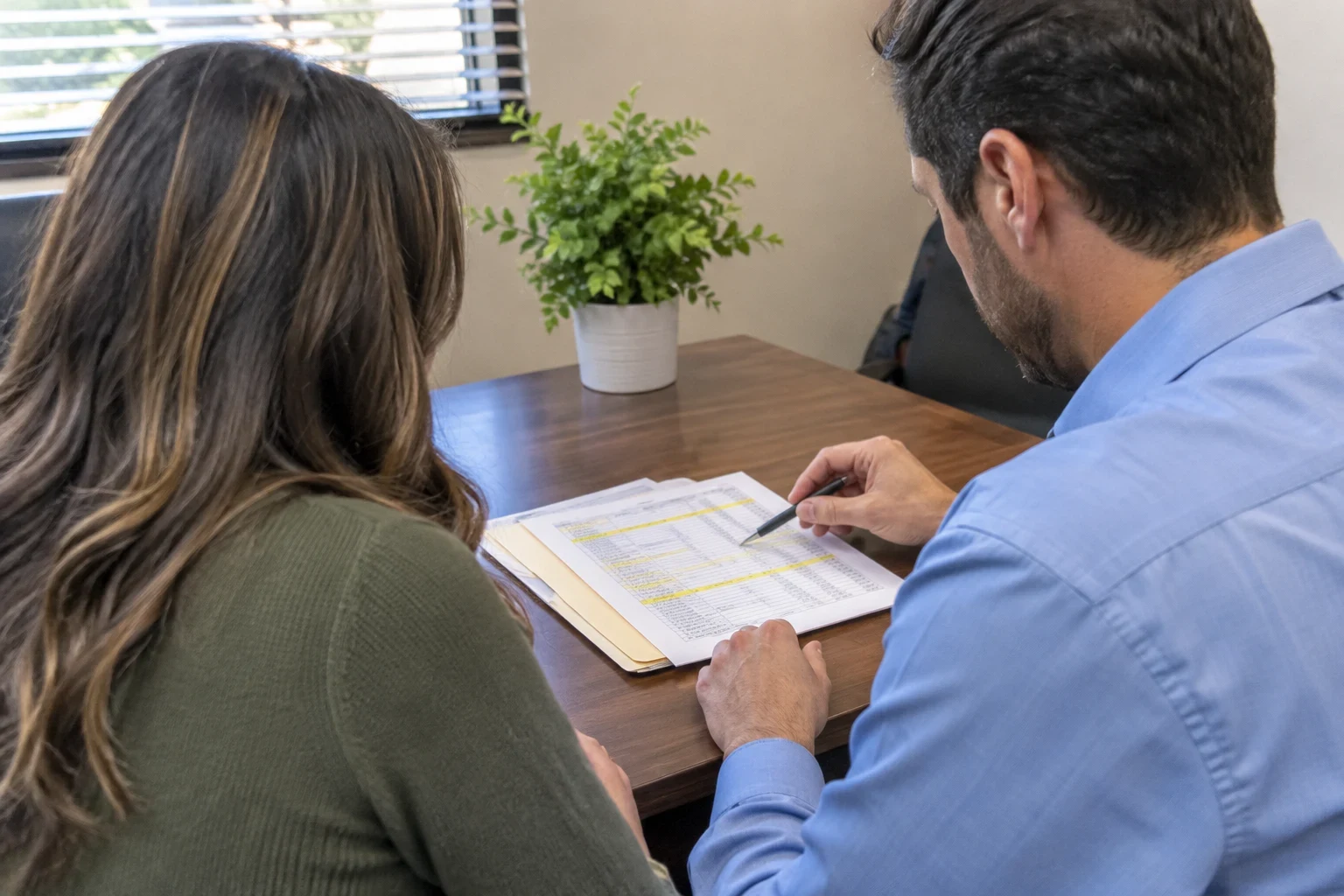
Who an FHA Loan Is Built For
The Federal Housing Administration backs FHA loans, which allows lenders to approve borrowers with lower scores or smaller savings. A score of 580 or above needs just 3.5 percent down. A score from 500 to 579 can still qualify with 10 percent down. Family gifts can pay the down payment, and sellers are allowed to put money toward closing costs.
What matters most to us is that the loan is safe for you, not only that it gets approved. FHA loans come with mortgage insurance that a conventional loan may let you skip, so we price both next to each other. If a conventional loan or a VA loan would be cheaper over the years, we tell you directly.
FHA covers a primary residence only, anything from a single-family house to a building of up to four units, provided you live in one. Many buyers in Bartlett and nearby Taylor and Temple rely on it for their first purchase.
How We Help on an FHA Loan
A close look at credit and income
We go through your credit report together, item by item, covering collections, late payments and any earlier bankruptcy or foreclosure. FHA requires fixed waiting periods after those events, and we confirm your position before you begin house hunting.
A monthly cost that fits your life
We add up the whole monthly figure: principal, interest, property taxes, hazard coverage and FHA mortgage insurance. Then we hold it up against your actual budget, rather than the highest debt-to-income ratio the program permits.
Mortgage insurance explained simply
Every FHA loan has an upfront premium, normally added to the loan balance, and an annual premium split into monthly payments. Put down less than 10 percent and the annual premium lasts as long as the loan unless you refinance. We show you what that costs in real terms.
Help ahead of the appraisal
An FHA appraiser confirms the property is safe, sound and secure. We let you know in advance what commonly gets noted, like peeling paint on older houses, stairs without handrails or a roof nearing the end of its life, so nothing catches your closing off guard.
Guidance on gifts and seller credits
A gift needs a signed letter and a clean record of the transfer. We spell out the documents the underwriter will ask for so the money is accepted without holdups.
When FHA May Be a Good Match
You have not saved much yet
Your paycheck is steady, but your down payment fund is small. A 3.5 percent minimum can get you into a house sooner.
Your credit is being rebuilt
A lower score or a few missed payments can keep you from top conventional pricing. FHA guidelines put more weight on how reliably you have paid lately.
A relative wants to chip in
A parent or other relative plans to give you part of the down payment. FHA handles documented gifts well.
Your monthly debts run high
A car loan or student debt raises your debt-to-income ratio. FHA may give you more room, but we will still say so if the numbers look too tight to be safe.
You have an FHA loan now
If rates have fallen since you bought, an FHA streamline refinance may cut your payment with less paperwork than a regular refinance.
The Steps of an FHA Loan
- 1
Your pre-qualification call
By phone or video, we go over your income, debts, savings and credit history. By the end, you know whether FHA suits you and which price range keeps the payment comfortable.
- 2
Paperwork and pre-approval
You send recent pay stubs, W-2s or tax returns and bank statements. After we review the file, you get a pre-approval letter so you can shop with confidence.
- 3
Offer, appraisal and underwriting
Once the seller accepts, an FHA appraiser inspects the property. If something falls short of FHA standards, we help you and your agent work out how to handle it with the seller.
- 4
Closing day
Before closing, we go over the final numbers with you so nothing in the documents is a surprise. Then you sign, the loan funds and the keys are yours.
What Drives FHA Loan Costs
Each FHA loan is priced on the borrower and the property, so we only quote numbers once we know your details. These are the parts that move your rate and overall cost the most.
- Your credit score
- Your score shapes the rate you get and the minimum you need to put down. Raising it even a little before you apply can help noticeably.
- How much you put down
- With 10 percent or more down, the annual mortgage insurance ends sooner. Less down means a bigger loan and paying the premium longer.
- FHA insurance premiums
- The program sets both the upfront and the annual premium, and both add to your cost. We break them out so you can see what they add to each month.
- The property and loan limits
- FHA caps loan amounts by county, with higher caps for multi-unit buildings. Taxes and insurance on the specific house also affect the monthly payment.
- Closing costs and seller help
- Lender fees, title charges and prepaid items differ from one purchase to the next. Seller contributions can cover part of them when you ask for them in the contract.
Common FHA Loan Questions
Something not covered here? (254) 414-2623
How high does my credit score need to be for FHA?
FHA permits scores down to 500 with 10 percent down, or 580 and higher with 3.5 percent down. Some lenders set their own floor above those numbers. On the first call we look at your whole credit history so you know your position.
Does FHA mortgage insurance ever go away?
With at least 10 percent down, the annual premium stops after 11 years. With less down, it lasts for the life of the loan. Many owners refinance into a conventional loan after building enough equity, which ends the FHA premium.
Is an FHA appraisal tougher than a standard one?
Along with value, FHA appraisers check for health and safety problems. Chipping paint on an older house, bare wiring or a leaking roof may have to be fixed before closing. Most houses that are ready to move into pass easily.
Will FHA finance a duplex?
Yes. FHA covers buildings of up to four units if one of them is your primary residence. Expected rent from the other units can sometimes count toward qualifying.
Do I have to be a first-time buyer to use FHA?
No. Buyers who have owned before can use FHA as well, provided the property will be their primary residence. Most people carry only one FHA loan at a time.

Find Out If FHA Is the Safe Choice for You
A short conversation with a loan officer shows whether you qualify and what a comfortable payment looks like. We will compare FHA against your other options before you commit to anything.