What Can Bridge Loans Be Used For in Bartlett?
A short-term loan can make a move easier, as long as the way out is planned before the way in.
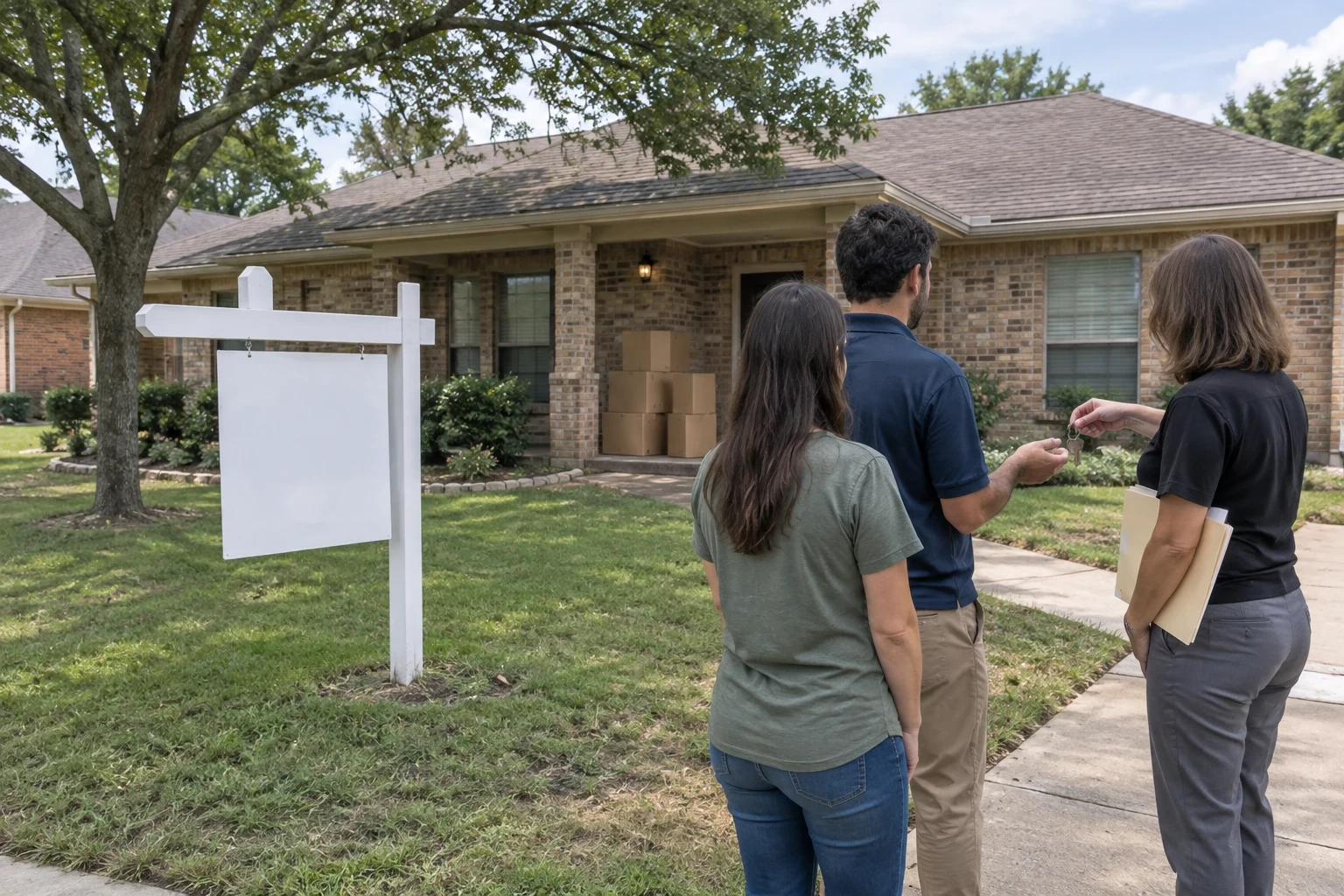
What can bridging loans be used for?
A bridge loan is short-term financing that covers the gap between buying one property and selling another. Most borrowers use it to fund a down payment from equity they have not cashed out yet, to make an offer without a sale contingency, or to buy an investment property quickly while longer-term financing is arranged. Talk it through at (254) 414-2623.
Buying the next place before the current one sells
This is the use we hear about most. You have found the right property, but much of your down payment is tied up as equity in the place you own now. A bridge loan borrows against that equity for a short time, so the money is available at closing on the new purchase.
It also changes how your offer reads to a seller. An offer that depends on your sale closing first is weaker than one that does not, and in a competitive listing that difference can matter. With bridge financing in place, you can often remove that contingency.
There is a quieter benefit too. Moving once, on your own schedule, is easier than selling, renting for a few months and moving again. Many families tell us that alone is worth the planning.
Other ways borrowers use bridge financing
The core idea stays the same: short-term money now, repaid by a known event later. What changes is the event and the property.
- Covering the down payment and closing costs on a new purchase until the current property sells
- Paying off the existing mortgage temporarily so the new lender sees one housing payment instead of two
- Buying an investment property that needs updating before it will qualify for standard long-term financing
- Closing on a time-sensitive purchase, such as a job relocation or a new build finishing ahead of schedule
- Downsizing, where the sale of a larger property will clear the bridge balance with room to spare
What a safe bridge loan plan looks like
A bridge loan is only as sound as the exit behind it. Before we recommend one, we look hard at how it gets repaid and what happens if things move slower than hoped. That is the part of the conversation we take most seriously, because it protects you if the market cools.
In Central Texas, listings often move faster in spring and early summer than in the winter months. If your sale is likely to land in a slower season, we plan for a longer carry rather than assume the best case. A careful plan should hold up even when the sale takes longer than you expect.
We also walk through the monthly cost of carrying both properties for a stretch. Some bridge loans defer payments, others do not, and you should know exactly which one you are signing before closing day.
- A realistic sale price for the current property, not the hoped-for number
- A timeline with a cushion built in for a slow showing period
- Enough reserves to cover both payments if the sale runs long
- A clear answer on what happens if the bridge term ends before the sale closes
How a bridge loan compares with a HELOC and other options
A bridge loan is not always the best tool. If you have time to set it up before you shop, a HELOC on the current property can sometimes free up equity for a down payment at a lower ongoing cost. The catch is that some lenders will not open a line on a property that is already listed for sale, so timing matters.
Some buyers can qualify for conventional loans on the new purchase while still carrying the old mortgage, with no bridge at all. Investors buying a property that needs work may compare a bridge with hard money loans, which are built around the property's value and a short hold. We will lay these side by side so you can see what each one costs you in rate, fees and risk.
What happens when you call us
We start with a pre-qualification conversation by phone or video. We ask about the property you own, what you still owe, the purchase you have in mind and how you plan to sell. From there we can tell you whether a bridge loan fits, what you would likely qualify for and which alternative might serve you better.
If a bridge makes sense, we explain every fee and term in writing before you commit. If it does not, we say so plainly and show you the option we would choose in your place.
More questions about bridge loans
Something not covered here? (254) 414-2623
How long does a bridge loan usually last?
Bridge loans are short term, usually measured in months rather than years. The exact term depends on the lender and the loan, and we match it to a realistic sale timeline with some cushion.
Is the rate higher than a regular mortgage?
Usually, yes. Bridge loans are priced for short-term risk, so the rate and fees tend to run higher than long-term financing, which is why we compare them against a HELOC or other options first.
Can I use a bridge loan alongside a VA or FHA purchase?
Sometimes. It depends on how the bridge payment is counted in your debt-to-income ratio under that program's rules, so we check this early, before you make an offer.
Do I need a lot of equity to qualify?
You need enough equity in the current property to support the bridge and still leave a margin if the sale price comes in lower. We run those numbers with you during pre-qualification.

Plan the bridge before you make the offer
A short call gives you a pre-qualification, a clear look at what carrying two properties would cost and an honest view of whether a bridge loan or another option fits your move.